

How to Keep Weight Off After Weight Loss with Healthy Habits and Lasting Support

Losing weight takes effort. Keeping it off often takes a new kind of effort, one built around routines, patience, and support rather than short bursts of restriction. Weight regain is common, but it is not a failure. It is a sign that the plan may need to shift from “weight loss mode” to real-life maintenance.
The goal is not to live perfectly. The goal is to build habits that are steady enough to carry you through busy weeks, meals out, stress, travel, and changes in motivation.
This article is for informational purposes only and is not a substitute for medical advice. For personalized guidance, talk with a qualified health professional.

Shift from dieting to sustainable eating
A balanced diet is one of the strongest tools for preventing weight regain. That does not mean eating the same meals every day or avoiding favorite foods forever. It means creating a way of eating that supports your body and still fits your life.
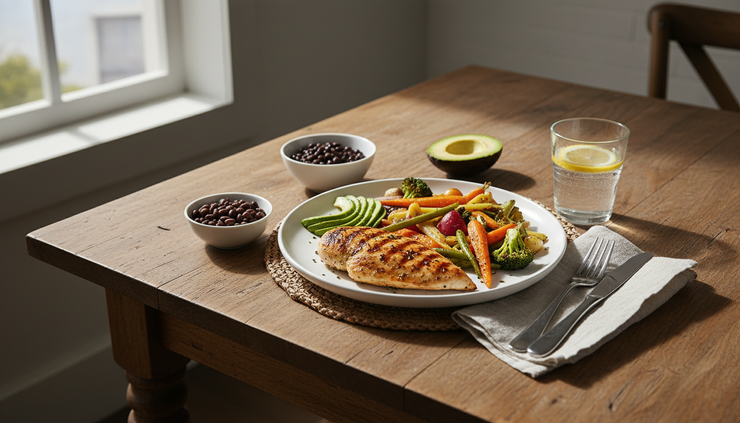
A helpful maintenance plate usually includes:
Protein
Foods like eggs, fish, chicken, tofu, beans, Greek yogurt, or lean meats can help meals feel more satisfying.
High-fiber carbohydrates
Oats, potatoes, brown rice, fruit, beans, and whole-grain bread can provide steady energy.
Colorful produce
Vegetables and fruit add volume, nutrients, and variety.
Healthy fats
Nuts, olive oil, avocado, and seeds can make meals more enjoyable and satisfying.
Strict food rules often backfire because they make normal eating feel like a mistake. A more flexible approach works better for many people. For example, instead of saying, “I can never eat dessert,” try, “I can enjoy dessert in a planned portion and return to my usual meals afterward.”
One meal does not undo progress. The pattern matters most.
Keep exercise regular, realistic, and enjoyable
Exercise helps with weight maintenance, but the best plan is the one you can keep doing. That may include gym workouts, walking, cycling, swimming, fitness classes, hiking, dancing, or home strength training.
Aim for a mix of movement:
Cardio activity for heart health and calorie use
Strength training to help preserve muscle
Daily movement such as walking, errands, chores, and taking the stairs
Mobility work to support comfort and consistency
Strength training deserves special attention. Muscle is active tissue, and keeping it strong can support metabolism, balance, posture, and long-term function. This does not require heavy lifting right away. Bodyweight squats, resistance bands, light dumbbells, and beginner classes can all help.
The key is to remove friction. Keep walking shoes by the door. Schedule workouts like appointments. Choose activities that feel good enough to repeat, even on low-motivation days.

Set goals that match real life
After weight loss, goals should change. Instead of focusing only on the scale, set goals that protect the habits that helped you get there.
Useful maintenance goals might include:
Cook dinner at home four nights this week
Walk for 25 minutes after lunch three days this week
Eat protein at breakfast most days
Strength train twice this week
Pack a balanced lunch before a busy workday
Get to bed 30 minutes earlier on weeknights
These goals are specific and doable. They also give you something to act on. “Never regain weight” is too vague and too stressful. “Plan weekday breakfasts on Sunday” gives you a clear next step.
It also helps to set a maintenance range rather than a single target weight. Bodies fluctuate because of water, sodium, hormones, digestion, travel, and stress. A range can reduce panic and help you respond early without feeling discouraged.
Track progress without becoming controlled by it
Tracking helps you notice patterns before they become problems. It does not need to be strict or permanent. The right type of tracking depends on what feels supportive rather than stressful.
Options include:
Tracking method | Best for |
Weekly weigh-ins | Noticing weight trends over time |
Food journaling | Spotting portions, snacks, or skipped meals |
Habit checklists | Staying consistent with routines |
Workout logs | Seeing strength and endurance improve |
Clothing fit | Tracking changes without numbers |
If weighing yourself brings anxiety or obsessive thoughts, choose a different method. Progress can show up as steadier energy, better sleep, improved stamina, fewer cravings, stronger workouts, or more confidence around food.
A simple weekly review can help:
What went well this week?
What felt harder than expected?
What is one small adjustment for next week?
This keeps maintenance active without making it feel like a punishment.

Build support before motivation dips
Motivation naturally rises and falls. Support systems help carry healthy habits when motivation is low.
Support can come from many places:
A walking partner
A registered dietitian or health coach
A therapist, especially if emotional eating is a concern
A workout class
Family members who respect your goals
A friend who shares meal ideas
A medical provider who understands weight maintenance
Be clear about what kind of support helps. Some people want accountability. Others want encouragement without comments about weight. For example, you might say, “It helps me when we plan active things together,” or “I prefer not to talk about the number on the scale.”
Your environment matters too. Keep easy, nourishing foods available. Make treats intentional rather than automatic. Put workout clothes where you can see them. Small changes at home can reduce the number of decisions you have to make each day.
Strengthen the mindset that supports maintenance
Long-term weight maintenance is not only about food and exercise. It also depends on how you respond to setbacks.
A maintenance mindset sounds like this:
“One off-plan meal is normal.”
“I can restart at the next meal.”
“Consistency matters more than perfection.”
“My habits are part of how I care for myself.”
“I can adjust without judging myself.”
Weight regain often starts when a small slip turns into an all-or-nothing spiral. A vacation meal, a stressful week, or missed workouts do not need to become a month of giving up. The faster you return to your routines, the easier maintenance becomes.
Lifestyle change also means making room for joy. Sleep, stress management, social connection, hobbies, and rest all affect eating and movement choices. A healthy life should feel livable, not like a test you keep trying to pass.

Keep the habits small enough to repeat
The best strategy to prevent weight regain is not one dramatic rule. It is a set of repeatable habits that fit your normal life.
Start with one or two anchors:
A balanced breakfast
A daily walk
Two strength workouts per week
A weekly grocery plan
A regular bedtime
A short Sunday meal prep routine
Once those feel steady, add another. This slow approach may not feel exciting, but it works because it lowers the pressure. Maintenance is built through ordinary choices repeated often.
Keeping weight off after weight loss is possible when the plan is balanced, flexible, and supported. Focus on meals that satisfy you, movement you can repeat, goals you can measure, and people who help you stay grounded. The next step does not need to be huge. Choose one habit today that your future self will be glad you kept.


Comments