

Why Weight Loss Quality Matters More Than Quantity With or Without GLP1 Therapies

A lower number on the scale can look like success, but the scale cannot tell the whole story. It cannot show whether the weight came from fat, muscle, water, or a mix of all three. It cannot show whether energy, strength, blood sugar, sleep, or confidence improved.
That is why weight loss quality matters. Losing weight in a healthier way means protecting lean muscle, supporting nutrition, improving daily function, and building habits that can last. This is true whether weight loss happens through lifestyle changes alone or with GLP-1 therapies such as semaglutide or tirzepatide.
This article is for general education only and does not replace medical advice. Anyone using or considering prescription weight-loss medication should work with a qualified clinician.
The scale measures less than people think
Body weight is one number made up of many parts. It includes fat mass, muscle, bone, organs, water, and stored carbohydrates. When weight drops quickly, some of that loss may come from fluid or lean tissue, especially if food intake falls sharply.
That matters because muscle is metabolically active tissue. It helps with strength, balance, blood sugar control, and daily movement. Preserving muscle during weight loss can make the difference between feeling better and feeling depleted.
A person might lose 25 pounds and feel weaker, tired, and undernourished. Another person might lose 12 pounds, gain strength, lower waist size, and improve blood pressure or blood sugar markers. The second result may be the better health outcome, even if the scale changed less.
Quality asks better questions:
Is body fat decreasing while strength is maintained?
Is protein intake high enough?
Are meals still nutrient-dense?
Is sleep improving?
Is the plan realistic after the active weight-loss phase?
Are side effects, hunger, and cravings being managed safely?
GLP-1 therapies can change appetite, but they do not replace the basics
GLP-1 medications can help many people eat less by affecting hunger, fullness, and food noise. For some, this creates the first real opportunity to follow a nutrition plan without constant appetite pressure.
That benefit is meaningful. Still, appetite reduction is only one part of the process. When food intake drops, nutrition quality becomes even more important. Smaller meals need to carry more value.
With GLP-1 therapy, common priorities include:
Eating enough protein across the day
Choosing fiber-rich carbohydrates, such as beans, fruit, oats, and vegetables
Staying hydrated
Strength training to help preserve muscle
Managing nausea, constipation, or reflux with a clinician’s guidance
Avoiding a pattern of eating very little and calling it success
The medication may help reduce intake, but the body still needs building blocks. Low appetite should not turn into chronically low nutrition.

Weight loss without GLP-1 therapy has the same quality test
People who lose weight without medication face the same issue. A calorie deficit can reduce weight, but the type of deficit matters.
Crash diets may produce fast results, yet they often come with trade-offs. People may struggle with fatigue, intense hunger, poor training recovery, irritability, or rebound overeating. A plan that cannot survive normal life rarely leads to durable results.
Higher-quality weight loss usually includes a few steady anchors:
Protein at most meals
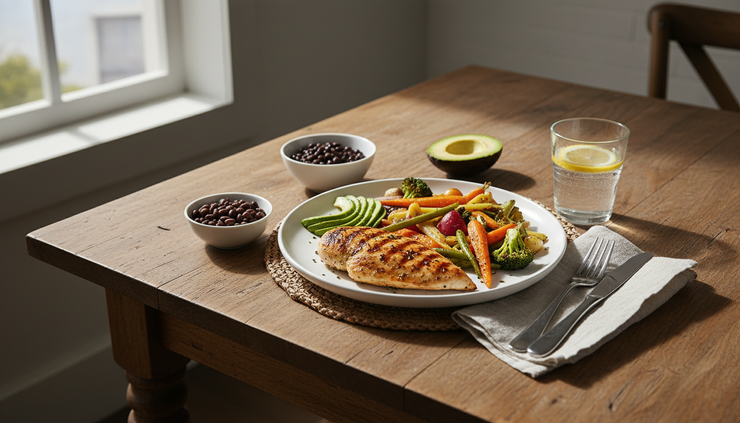
Protein helps maintain lean tissue during weight loss and supports fullness. Good options include fish, poultry, eggs, Greek yogurt, tofu, tempeh, beans, lentils, and lean meats.
Resistance training
Walking is excellent for health, but strength training plays a special role in preserving muscle. That can include machines, free weights, resistance bands, or bodyweight exercises.
Enough food consistency
Skipping meals all day and overeating at night can make weight loss harder to manage. A more regular meal pattern often supports better energy and better choices.
Health markers beyond pounds
Waist measurement, blood pressure, A1C, cholesterol, resting heart rate, mobility, and strength can show progress that the scale may miss.
Fast loss can carry hidden costs
Fast weight loss is not always harmful, especially when monitored by a clinician. People with significant obesity-related health risks may benefit from meaningful weight reduction. The concern is not speed alone. The concern is what gets lost along the way.
Poor-quality weight loss can increase the risk of:
Muscle loss
Nutrient gaps
Low energy
Reduced exercise capacity
Hair shedding related to undernutrition or rapid change
Constipation or digestive discomfort
Weight regain after the plan stops
With GLP-1 therapies, the same concern applies. A person may feel full after only a few bites. If those bites are mostly crackers, sweets, or low-protein snacks, weight may still fall, but nutritional quality may suffer.
The goal is not perfection. The goal is to make the lowered appetite work in favor of better health.

Better progress markers make better decisions
The scale can still be useful. It gives feedback. But it should not be the only judge.
A stronger progress picture includes several signals:
Measure | What it can show |
Waist measurement | Changes in central body fat |
Strength | Whether muscle and function are being preserved |
Energy | Whether the plan is too aggressive |
Hunger and cravings | Whether the approach is sustainable |
Lab markers | Changes in metabolic health |
Clothing fit | Body composition shifts that the scale may hide |
Mood and sleep | Whether the plan supports daily life |
These markers help guide adjustments. If weight is dropping but strength is falling, protein and training may need attention. If appetite is gone and nausea is frequent, the medication plan may need review. If weight is stable but waist size is shrinking and strength is rising, progress may still be happening.
The best plan protects the future body
Weight loss has two phases. The first is losing weight. The second is living in the body that remains.
That second phase deserves more attention. A smaller body that is weak, undernourished, and hard to maintain is not the best result. A healthier body should be stronger, more capable, and supported by skills that can continue.
For many people, high-quality weight loss means:
Losing mostly fat rather than avoidable muscle
Keeping meals satisfying and nutrient-rich
Building strength at least two or three times per week
Choosing a pace that does not damage daily life
Having a plan for maintenance before reaching the target weight
Working with medical and nutrition professionals when medication, chronic disease, or a complex history is involved
GLP-1 therapies can be powerful tools, but they work best as part of a complete health plan. Lifestyle changes can also be powerful, but they work best when they protect muscle, nutrition, and consistency.

The takeaway
Weight loss quantity tells how much changed. Weight loss quality tells whether that change is helping.
The best outcome is not simply the lowest number possible. It is a body that carries less excess fat while keeping strength, nourishment, energy, and long-term health intact. Whether the path includes GLP-1 therapy or not, the real win is losing weight in a way the body can live with.



Comments