

Navigating Nutrition on GLP-1 Therapy: Essential Eating Tips

Starting GLP1 therapy can change how your body handles hunger and digestion. Many people find their appetite decreases, and food tastes different. This shift means eating habits need to adjust to stay healthy and enjoy meals. This guide offers practical tips and tricks to help you eat well while on GLP1 therapy, keeping your diet balanced and satisfying.

Understand How GLP1 Therapy Affects Appetite and Digestion
GLP1 therapy works by mimicking a hormone that slows stomach emptying and signals fullness to the brain. This means you may feel full faster and stay full longer. While this helps control weight and blood sugar, it can also make eating large meals difficult.
Smaller meals become more manageable and comfortable.
Slower eating helps your body recognize fullness cues.
Hydration is important since reduced appetite might lower fluid intake.
Knowing these effects helps you plan meals that fit your new hunger patterns without feeling deprived.
Plan Meals with Nutrient Density in Mind
Because you might eat less, every bite counts. Focus on foods rich in nutrients to meet your body’s needs.
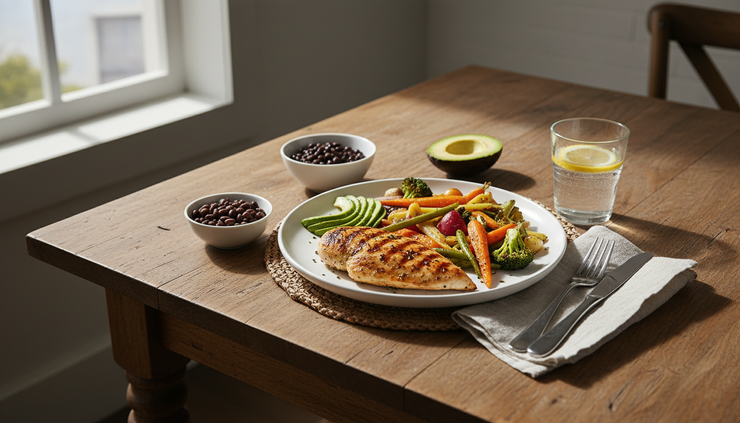
Choose lean proteins like chicken, fish, tofu, or legumes to support muscle health.
Include fiber-rich vegetables such as broccoli, spinach, and carrots to aid digestion.
Add healthy fats from sources like avocados, nuts, and olive oil for energy and satiety.
Opt for whole grains like quinoa, brown rice, or oats for steady energy release.
Try to balance each meal with these components to keep your diet varied and nourishing.
Use Portion Control and Meal Timing to Your Advantage
Smaller stomach capacity means large portions can cause discomfort. Here are some ways to manage this:
Eat 5 to 6 small meals throughout the day instead of 3 large ones.
Space meals evenly to avoid long gaps that trigger excessive hunger.
Include protein and fiber in every meal to stay full longer.
Avoid eating too quickly; take time to chew and savor food.
This approach helps maintain energy levels and prevents overeating.
Choose Foods That Are Easy to Digest and Enjoy
GLP1 therapy can slow digestion, so some foods might feel heavy or cause discomfort.
Avoid greasy, fried, or very spicy foods that may upset your stomach.
Cook vegetables until tender to make them easier to digest.
Incorporate soups, stews, and smoothies for gentle nourishment.
Experiment with flavors and textures to find what you enjoy most.
Listening to your body’s signals will guide you toward foods that feel good.
Stay Hydrated Without Filling Up Too Much
Drinking fluids is essential, but drinking large amounts with meals can increase fullness too quickly.
Drink water between meals rather than during.
Try herbal teas or infused water for variety.
Limit sugary drinks and caffeine, which can affect appetite and hydration.
Proper hydration supports digestion and overall health.
Incorporate Physical Activity to Support Appetite and Metabolism
Light to moderate exercise can help regulate appetite and improve digestion.
Choose activities you enjoy, such as walking, yoga, or swimming.
Schedule exercise after meals to aid digestion.
Stay consistent but listen to your body’s energy levels.
Physical activity complements your dietary efforts and supports overall well-being.
Monitor Your Progress and Adjust as Needed
Keep track of how your body responds to different foods and meal patterns.
Use a food diary to note what you eat and how you feel.
Pay attention to hunger cues and fullness signals.
Discuss any concerns with your healthcare provider or dietitian.
Regular monitoring helps you fine-tune your diet for the best results.


Comments