

Mastering Meal Balance: Simple Strategies for Nutritious Eating

Eating well is one of the most effective ways to support your health, energy, and overall well-being. Yet, many people struggle with how to balance meals in a way that satisfies hunger, provides essential nutrients, and fits into a busy lifestyle. Understanding how to create balanced meals can transform your approach to food, making it easier to maintain good habits without feeling deprived or overwhelmed.
This guide offers practical strategies to help you master meal balance. You will learn how to combine different food groups, control portion sizes, and make smart choices that nourish your body. Whether you want to improve your diet, manage weight, or simply eat more mindfully, these tips will help you build meals that work for you.
What Does a Balanced Meal Look Like?
A balanced meal includes a variety of foods that provide carbohydrates, proteins, fats, vitamins, and minerals. Each nutrient plays a unique role in your body:
Carbohydrates supply energy.
Proteins support muscle repair and growth.
Fats help absorb vitamins and protect organs.
Vitamins and minerals regulate body functions and keep you healthy.
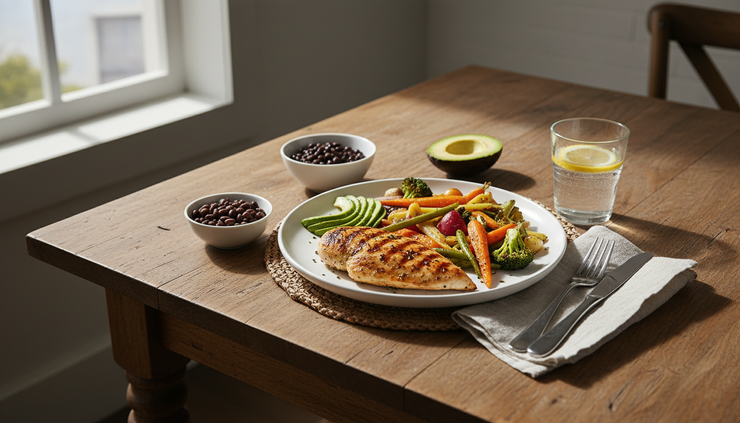
A simple way to visualize a balanced plate is to divide it into sections:
Half the plate filled with non-starchy vegetables.
One quarter with lean protein.
One quarter with whole grains and/or starchy vegetables.
A small amount of healthy fats.
This approach ensures you get a mix of nutrients and enough fiber to keep you full.
Choosing the Right Carbohydrates
Carbohydrates often get a bad reputation, but they are essential for energy. The key is to choose complex carbohydrates that digest slowly and provide lasting fuel. Examples include:
Whole grains like brown rice, quinoa, and oats.
Starchy vegetables such as sweet potatoes.
Legumes like lentils and chickpeas.
Avoid refined carbs like white bread, pastries, and sugary snacks, which can cause blood sugar spikes and leave you feeling hungry soon after eating.
Incorporating Protein for Satisfaction and Strength
Protein helps repair tissues and keeps you feeling full longer. Including a source of protein in every meal supports muscle health and balances blood sugar. Good protein sources include:
Lean meats such as chicken, turkey, and lean cuts of beef.
Fish and seafood.
Plant-based options like tofu, tempeh, beans, and nuts.
Dairy products like yogurt and cheese.
For example, a balanced lunch might include grilled chicken breast, quinoa, and a colorful salad with olive oil dressing.
Healthy Fats Are Essential
Fats are necessary for brain function and hormone production. Focus on unsaturated fats found in:
Olive oil and avocado.
Nuts and seeds.
Fatty fish like salmon and mackerel.
Limit saturated fats from processed foods and fried items. Including a small amount of healthy fat in your meals can improve nutrient absorption and add flavor.
The Role of Vegetables and Fruits
Vegetables and fruits provide fiber, vitamins, minerals, and antioxidants. Filling half your plate with a variety of colorful produce ensures you get a broad range of nutrients. Try to include:
Leafy greens like spinach and kale.
Bright vegetables such as bell peppers, carrots, and tomatoes.
Fruits like berries, apples, and oranges.
Eating a rainbow of colors helps cover different nutrient needs and keeps meals interesting.

Portion Control and Mindful Eating
Even the healthiest foods can lead to weight gain if eaten in excess. Portion control helps maintain energy balance. Use these tips:
Use smaller plates to avoid oversized servings.
Listen to your hunger and fullness cues.
Eat slowly and without distractions.
Plan meals and snacks to avoid impulsive eating.
Mindful eating improves digestion and satisfaction, reducing the chance of overeating.
Planning Balanced Meals for the Week
Meal planning can simplify healthy eating. Start by:
Choosing recipes that include all food groups.
Preparing ingredients in advance, like chopping vegetables or cooking grains.
Packing balanced lunches with protein, veggies, and whole grains.
Keeping healthy snacks like nuts, fruit, or yogurt on hand.
Planning helps avoid last-minute unhealthy choices and saves time.
Examples of Balanced Meals
Here are some meal ideas that follow the balanced plate concept:
Breakfast: Oatmeal topped with fresh berries, a spoonful of almond butter, and a boiled egg.
Lunch: Mixed greens salad with grilled salmon, quinoa, avocado, and a lemon vinaigrette.
Dinner: Stir-fried tofu with broccoli, bell peppers, brown rice, and a drizzle of sesame oil.
Snack: Greek yogurt with walnuts and sliced apple.
These meals combine different textures and flavors while providing essential nutrients.
Adjusting Meal Balance for Special Needs
Everyone’s needs differ based on age, activity level, and health conditions. For example:
Athletes may need more carbohydrates for energy.
Older adults might require higher protein intake to maintain muscle.
People with diabetes should monitor carbohydrate quality and quantity carefully.
Consulting a registered dietitian can help tailor meal balance to your specific goals.
Overcoming Common Challenges
Balancing meals can be difficult with a busy schedule or limited cooking skills. Here are some solutions:
Use frozen or canned vegetables to save prep time.
Cook in batches and freeze portions.
Keep simple staples like canned beans, whole grain bread, and pre-washed greens.
Experiment with one new recipe each week to build confidence.
Small changes add up over time and make balanced eating sustainable.


Comments